
Genetics and Society Laboratory - دانشکده علوم اجتماعی social
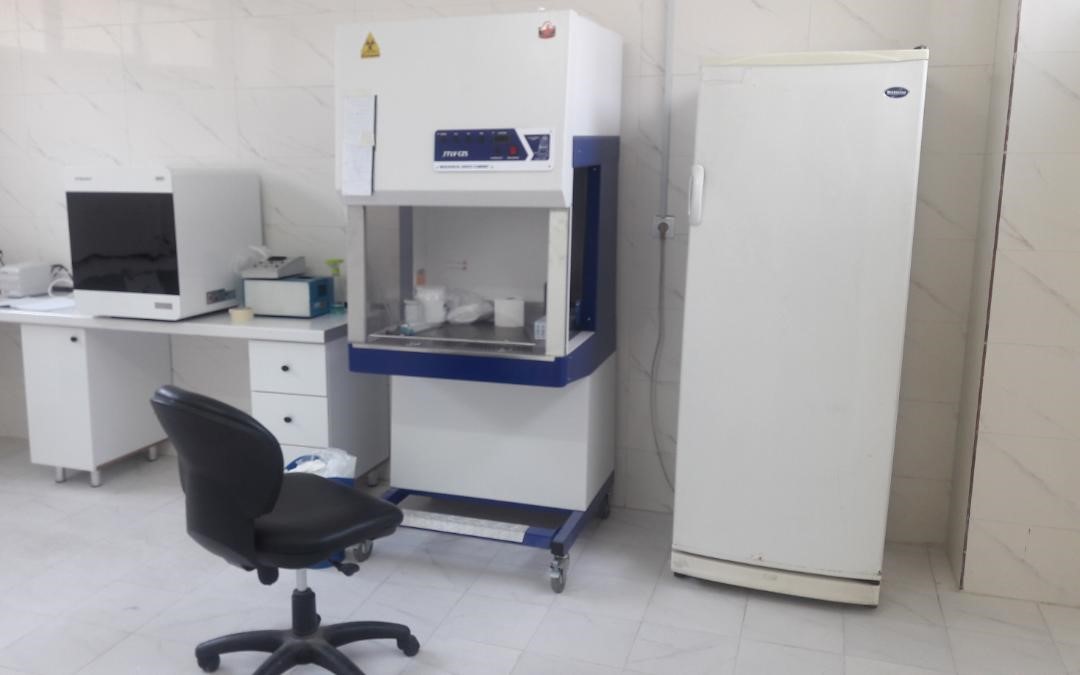
Genetics and Society Laboratory
In recent years, the extraction of genetic material from human remains dating back 40,000 years has yielded a wealth of information about life, livelihoods, and the use of land resources, migration and population diversity, disease evolution, nutrition, and even cultural and social conditions of human life. Many questions about prehistoric and modern populations that were previously answered only through linguistic and archaeological data in the form of more or less contradictory hypotheses can now be answered with a small percentage of error through the extraction of genetic material. Therefore, large laboratories in major American (Canada and North American), European (France, Netherlands, Germany, and Belgium) and Asian (Japan, Turkey, and South Korea) universities have provided the conditions for this type of information extraction in the past two decades. Among the most important of these centers is the Evolutionary Anthropology Laboratory of the Max Planck Institute. In Iran, however, despite the fact that as a result of excavations of numerous ancient sites and the presence of human skeletal remains in these sites, it is still not possible to extract ancient genetic data. In recent years, many researchers and students have been interested in extracting genetic material, and some efforts have been made in non-specialized laboratories, but due to the lack of special laboratory conditions, the results of these experiments cannot be considered 100% accurate and highly reliable, and it is not possible to publish these results internationally. This is while Iran has a high potential in the field of providing raw materials for experiments and many questions and hypotheses about different human populations in different prehistoric and historical periods. This laboratory will be of interest to many researchers in the fields of social sciences, archaeology, anthropology, biology, medicine, and history, and will answer many questions.
Today, in all the major universities in the world, the human genome and the information obtained from it are among the important scientific topics that are studied in various fields of humanities (social), biology and technology. Using new technologies, it is possible to access the genome of modern and past humans and, using genome information, provide definitive answers to important questions about human populations, including large migrations and genetic and cultural transmission, while these questions were previously examined through ancient and linguistic data and remained at the level of hypotheses.
Despite the importance of the subject and the desire of Iranian researchers to conduct ancient genetic studies, and despite the presence of many ancient sites and access to ancient human skeletal materials and remains, it is not possible to study ancient genetics. Skeletal remains for DNA studies must either be transported outside Iran or, due to the high cost of these studies in reputable laboratories around the world, most human material remains without such testing, and valuable information is removed from the data set related to past populations.
This laboratory fulfills one of the goals of the university, which is to expand interdisciplinary studies. The Faculty of Social Sciences, due to the presence of disciplines such as anthropology (especially the branches of biological anthropology and archaeological anthropology), demography, and medical and health sociology, can be a suitable place to establish this laboratory and a center for the development of interdisciplinary studies.